Why the Ground Beneath Artificial Turf Matters More Than Most Homeowners Realize
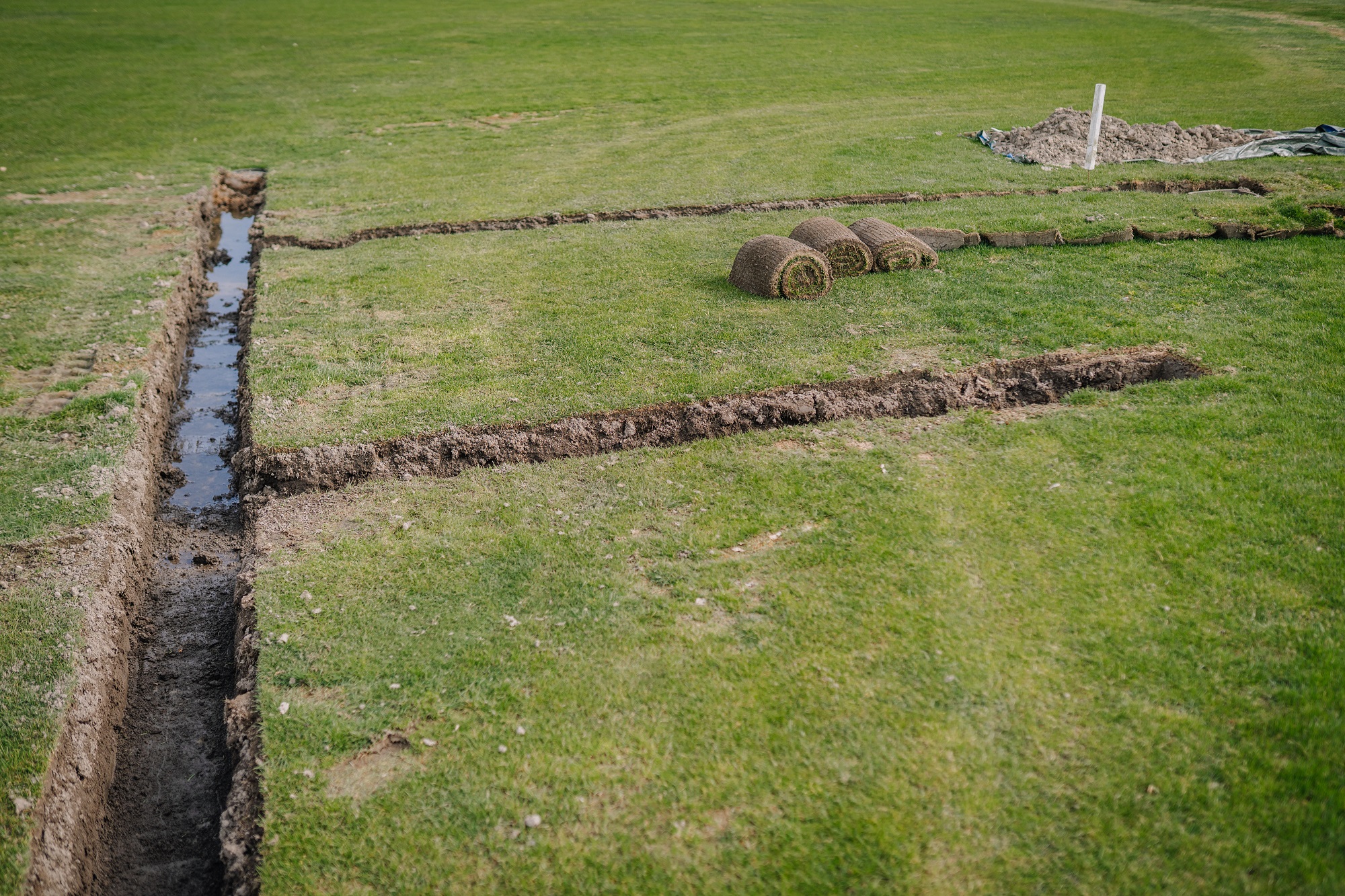
A beautiful lawn can develop low spots, ripples, standing water, or uneven areas when the surface beneath it wasn’t prepared correctly. Professional turf installation in Phoenix AZ projects begin below the visible grass, where soil conditions, base preparation, grading, and compaction determine how well the finished surface performs.
Chips Tree Service evaluates Phoenix properties with the area’s desert climate and landscape demands in mind. Subgrade compaction analysis helps determine whether the underlying soil and aggregate base can support the finished turf without excessive settling.
Installers evaluate the existing ground, remove unsuitable material as necessary, establish drainage slopes, install appropriate base systems, compact the material in controlled stages, and verify that the surface is ready before synthetic turf is installed. The process helps prevent deformation while allowing water to move away from the finished lawn.
What is Subgrade Compaction and Why Does it Control Turf Stability?
Subgrade compaction is the controlled process of reducing air voids in prepared soil to make the ground denser and more stable. Why does that matter for artificial grass? If loose or inconsistent soil remains beneath the base, parts of the installation can settle differently after repeated foot traffic, irrigation, rainfall, or seasonal changes.
The problem can be subtle at first. A newly installed lawn may look perfectly level, but poorly compacted areas can gradually develop depressions. Furniture may wobble, water can collect in low spots, and synthetic grass may lose the smooth appearance that attracted the property owner in the first place.
Professional turf installation in Phoenix AZ work therefore treats base preparation as a structural part of the installation process rather than a minor step before laying turf. Chips Tree Service’s current turf service information specifically notes that properties in Phoenix may require attention to soil preparation, grading, drainage, and local conditions.
Could Poor Compaction Create Drainage Problems Later?
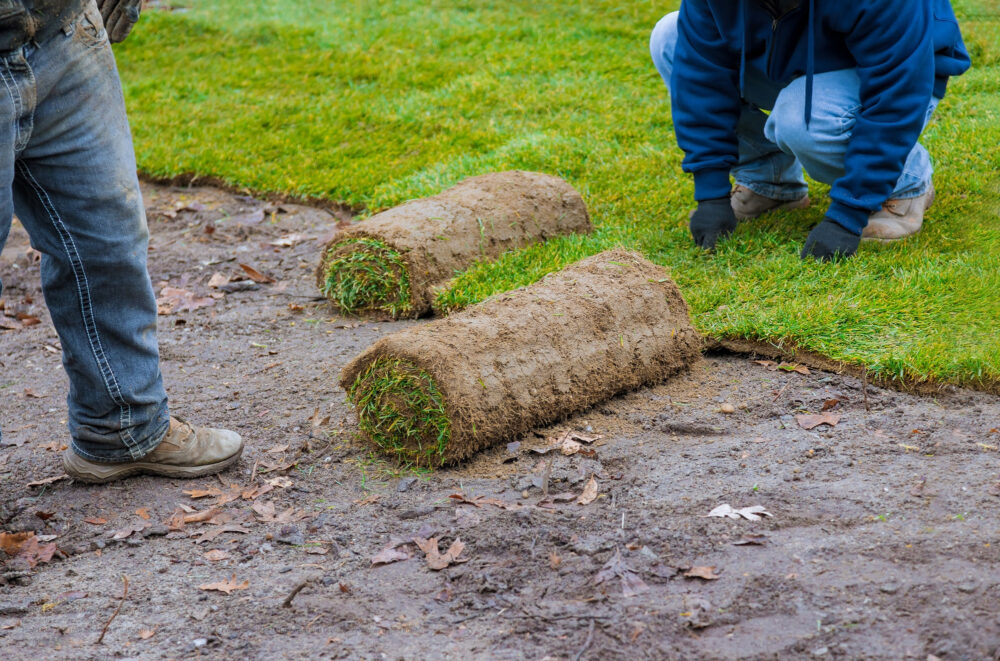
Absolutely. Drainage depends on both surface grading and what happens beneath the surface. If a turf area contains depressions or poorly prepared sections, water may collect rather than moving toward an appropriate drainage outlet.
The issue becomes especially important in desert landscaping. Phoenix receives less rainfall than many regions, but intense storms can produce significant runoff over a short period. A properly designed turf area requires sufficient slope and appropriate drainage pathways to prevent water from becoming trapped beneath the surface.
EPA guidance explains that permeable surfaces can allow storm water to infiltrate rather than behaving like completely impermeable surfaces. Artificial turf itself isn’t a substitute for a drainage design, however. The subgrade, aggregate base, drainage holes, surface slope, and surrounding landscape must work together.
Need Professional Turf Installation?
Contact Chips Tree Service today for a customized turf consultation and installation estimate.
Why Base Preparation is the Real Foundation of Artificial Turf
Artificial Turf and Artificial Grass may look simple once installed, but the finished surface depends heavily on the materials underneath. A typical synthetic turf system can include prepared soil, a compacted aggregate base, turf backing, seams, infill material, and drainage components.
A weed barrier fabric may be incorporated where appropriate to reduce unwanted vegetation beneath the installation. Turf products may also feature permeable backing and drainage holes designed to allow water to move through the surface. Those features can perform properly only when the underlying base is prepared correctly.
Different projects may call for different infill options. Residential lawns, Pet Turf, play areas, and specialized applications don’t necessarily have identical performance requirements. Antimicrobial infill may be considered for certain pet applications, while other installations may prioritize heat management, durability, or appearance.
What Changes When the Surface is a Putting Green?
Putting greens require more precise preparation than an ordinary backyard lawn because even small surface inconsistencies can affect ball movement. A backyard putting green needs a carefully shaped base, consistent compaction, accurate contours, and a turf system suited to the intended playing conditions.
A custom putt-putt green may require different design considerations from a tour-quality putting green. More advanced installations can incorporate Golf cups, flag pins, aluminum heads, a putting mat, or links-style greens depending on the client’s goals. Tour Greens synthetic golf greens are another specialized concept for property owners seeking tour-level performance inspired by PGA tour courses or coastal golf environments.
The same principle still applies beneath the surface: the more precise the finished application, the more important consistent base systems become. Poor compaction can create subtle changes that affect both appearance and performance.
Can Turf Be Added Successfully to a Larger Landscape Design?
Yes, and coordinating the turf with surrounding features can make the entire property more functional. A landscape design may combine artificial grass with paver installation, landscape lighting, rock & gravel, decomposed granite, outdoor lighting, or other desert landscaping elements.
Some homeowners want outdoor living spaces with fire pits, outdoor kitchens, water features, and a dream backyard designed around the Sonoran desert environment. Others may want a simpler low-maintenance lawn surrounded by planting beds and hardscape.
Full-service landscaping can bring these components together, but drainage should remain part of the design from the beginning. Paver installation, grading, turf edges, irrigation, and drainage paths can affect one another. Addressing them together reduces the likelihood that one improvement will create a problem elsewhere.
What Can Property Owners Learn from Other Turf Companies?
Phoenix has a competitive turf market, with companies offering a range of products and installation approaches. Names such as Arizona Turf Masters and Artificial Grass Superstore may appear during a homeowner’s research, along with suppliers and specialty providers serving the Phoenix Metro area.
The important comparison isn’t simply which company has the largest product selection. Property owners should ask how each contractor handles base prep, compaction, drainage, seams, material quality, installation standards, warranties, and post-installation concerns.
Terms such as labor warranty and seam guarantee can be useful when comparing proposals, but the underlying installation quality still matters. Even premium synthetic turf can develop problems when placed over an unstable foundation. Customer service also matters because a responsive installer should explain what the property requires rather than selling a product without discussing the site.
Why Choosing Chips Tree Service is the Smart Decision for a Strong Foundation
Synthetic grass is often chosen because it offers a consistent appearance and requires less routine watering and mowing than natural grass. But the benefits depend on the quality of installation. A poorly prepared base can undermine the appearance, drainage, comfort, and longevity of even high-quality turf.
Chips Tree Service approaches turf as part of the broader Phoenix landscape rather than as a surface-only product. The company also provides sod installation, sprinkler system installation, landscape lighting design, and paver installation, allowing related landscape improvements to be considered as a single project.
Whether a property needs a straightforward lawn, Pet Turf, playground surfaces, or a specialized putting green, subgrade analysis provides the foundation for the finished result. For homeowners and commercial property owners considering turf installation in Phoenix AZ, careful compaction and drainage planning can help prevent surface deformation and water problems long after the installation crew leaves.
- Arborist in Phoenix, AZ: Expert diagnosis and maintenance from ISA Certified Arborists.
- Landscape Lighting Designer in Phoenix, AZ: Illuminate your property with energy-efficient lighting systems.
- Paver Installation in Phoenix, AZ: Custom walkways, patios, and driveways that enhance curb appeal.
- Sod Installation in Phoenix, AZ: Fresh, lush lawns professionally laid for instant results.
- Sprinkler System Installation in Phoenix, AZ: Reliable irrigation systems for optimal tree and lawn health.
- Tree Trimming in Phoenix, AZ: Maintain structure, promote growth, and reduce storm damage risks.
- Turf Installation in Phoenix, AZ: Low-maintenance, water-efficient alternatives to natural grass.
Need Professional Turf Installation?
Contact Chips Tree Service today for a customized turf consultation and installation estimate.
FAQs About Turf Installation in Phoenix AZ
Connect With Us
Phone: (602) 854-4930
Location: 6610 W Orangewood Ave Glendale, AZ 85301
Socials: YouTube