Why a Seamless-Looking Turf Surface Depends on More Than Appearance
A synthetic lawn can look perfectly flat on installation day and still develop visible seams, ripples, or changes in tension as temperatures shift. In Phoenix, intense sunlight and large temperature swings can affect outdoor materials.
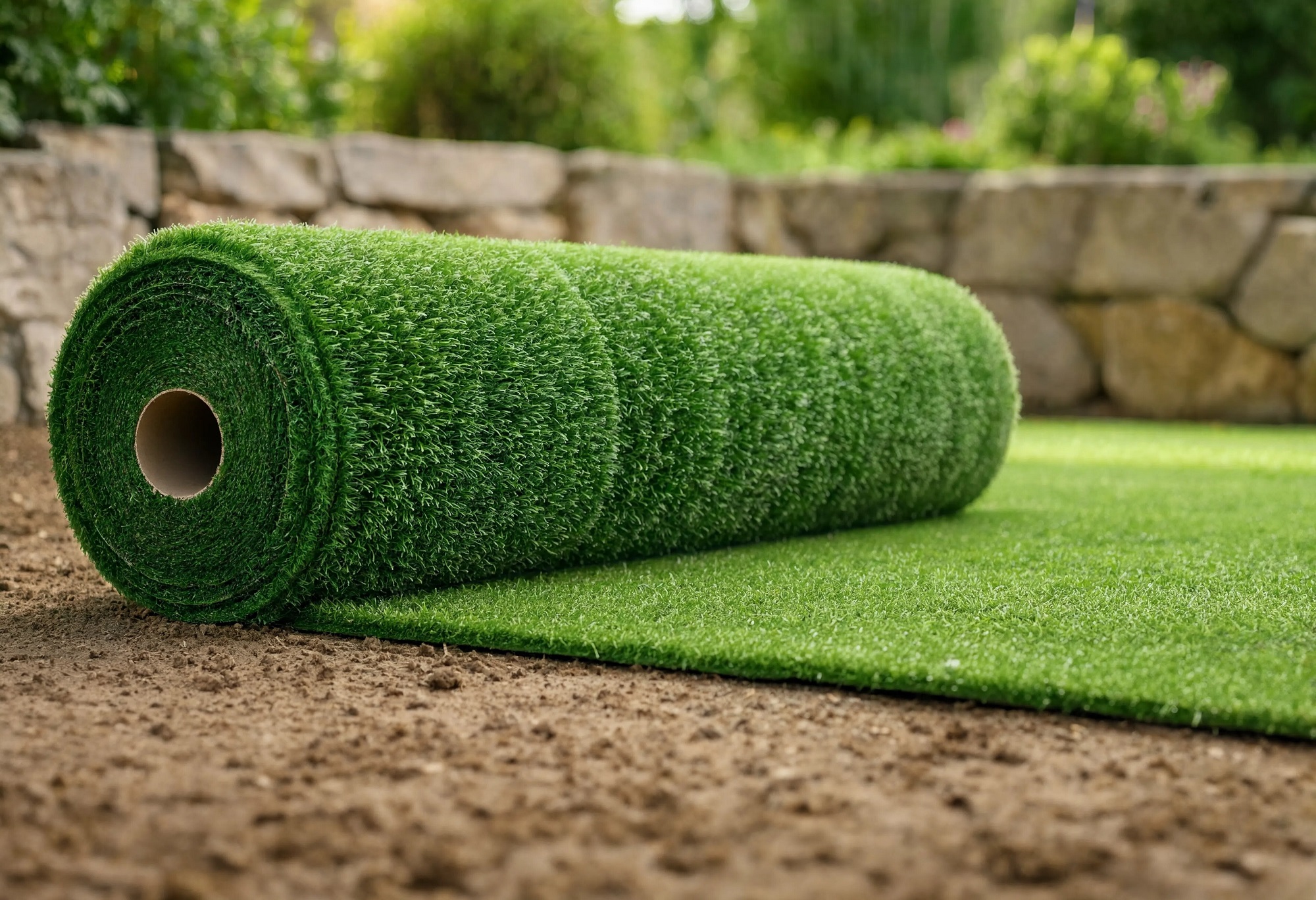
Turf installation in Phoenix AZ requires careful attention to seam alignment, material widths, expansion behavior, drainage, and base preparation. Chips Tree Service approaches turf projects with the local desert environment in mind, using its turf installation service alongside related landscape capabilities.
Professional turf installation evaluates seam placement, material direction, temperature-related expansion, base stability, drainage, and fastening before the surface is completed. Proper alignment and preparation help synthetic turf remain smooth, secure, and visually consistent as Phoenix weather changes throughout the year.
Could Small Seam Errors Become Big Visual Problems?
Seams are among the first details people notice when artificial turf isn’t installed correctly. Two turf sections may have slightly different tension, an inconsistent cut, or an alignment problem that seems minor at first. Under strong sunlight and repeated foot traffic, however, that difference can become much more noticeable. A clean installation process, therefore, treats seam positioning as part of the surface design rather than an afterthought.
Material widths also influence how many seams a project needs. Fewer seams can create a cleaner appearance, but only when the available turf products fit the property’s dimensions and layout. A professional crew considers the direction of the blades, property shape, high-traffic areas, fire pits, pathways, and landscape features before deciding where sections should meet. Why place a seam where constant activity could make it more visible or vulnerable?
The goal isn’t simply to hide seams. It is to create consistent alignment so that the synthetic grass looks like a single continuous surface. This matters especially for larger yards, commercial landscaping, playground surfaces, and specialized areas where the finished appearance is expected to remain orderly.
How Does Heat Change the Way Synthetic Turf Behaves?
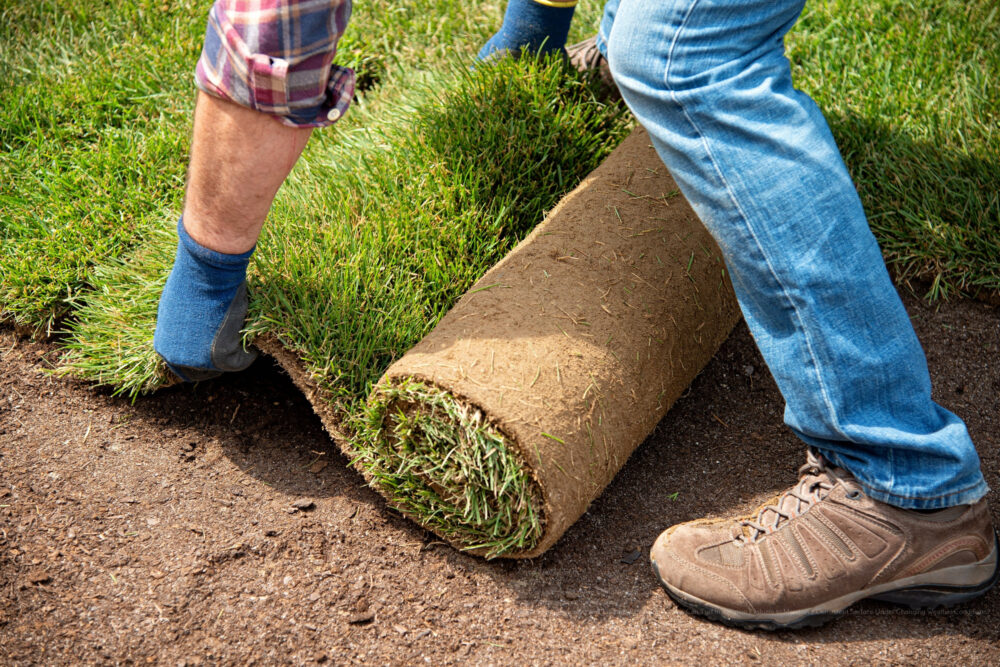
Phoenix’s weather creates a different installation environment than in regions with mild summers. Artificial grass can become hot in direct sunlight, and repeated heating and cooling can affect how synthetic turf responds to its surroundings. The backing, adhesive systems, seams, fasteners, and base must work together rather than being treated as separate components.
Thermal expansion doesn’t necessarily mean turf will dramatically stretch across a yard. The bigger concern is how temperature-related movement interacts with installation tension and the supporting surface. If a section is installed under uneven tension or the base is unstable, temperature changes may expose weaknesses through wrinkles, lifted edges, or visible seam separation.
That is why turf installation in Phoenix AZ should account for local exposure instead of copying an installation approach from another climate. UV protection, UV-stable fibers, cooling blade technology, and other high-performance systems may be available in modern turf products. Still, product selection should be matched to the property’s actual conditions rather than marketing language alone. The University of Arizona Cooperative Extension notes that artificial turf surfaces in Arizona can reach temperatures of 120°F to 180°F on hot days, highlighting why heat should be considered when selecting and installing synthetic turf.
Need Professional Turf Installation?
Contact Chips Tree Service to discuss the right turf and installation approach for the property.
What Happens When Base Prep isn’t Strong Enough?
The turf itself gets most of the attention, but the ground beneath it often determines whether the finished surface remains consistent. Base preparation creates the supporting platform, and poor compaction can allow movement beneath the turf. When that happens, the problem may eventually appear at seams, edges, low spots, or areas that receive repeated traffic.
Proper base prep generally involves removing unsuitable material, establishing the correct grade, installing an appropriate base system, compacting the material in controlled stages, and checking the surface before turf is placed. The exact approach depends on soil conditions, drainage requirements, access, and intended use.
Consider a backyard putting green. A small depression that barely catches the eye on an ordinary lawn could change how a golf ball rolls. The same principle applies to a custom putt-putt green, a putting mat area, or a tour-quality putting green, where consistent surface behavior matters more than simply having green grass.
Can Drainage Design Protect Seams and the Finished Surface?
Water has to go somewhere. Even in a desert climate, irrigation, storms, pool splashes, and routine cleaning can introduce water onto the turf surface. A properly planned system considers grading, drainage layers, drainage holes, and the relationship between the turf and underlying soil.
Permeable backing can support drainage by allowing water to move through the turf system rather than trapping it at the surface. However, permeable backing alone can’t solve every drainage problem. The supporting base, surrounding grade, soil conditions, and existing drainage pathways all influence whether water actually leaves the area efficiently.
This is particularly important when turf is combined with paver installation, landscape lighting, outdoor living spaces, or desert landscaping. A landscape design should account for how each element interacts with the others. If water repeatedly collects beside a paved area or along a seam, the issue may involve the broader site rather than the turf material itself.
How Should a Homeowner Compare a Turf Installation Proposal?
A detailed proposal should explain more than the color and square footage of the turf. It should make clear what happens during base preparation, how seams will be positioned, which infill material is proposed, how drainage will be addressed, and what type of edge restraint or fastening system will be used.
Warranty details deserve attention, too. A labor warranty and seam guarantee can sound reassuring, but homeowners should understand what each covers and for how long. Warranty support is only useful when the terms are clear. The same applies to claims about an STC-certified crew; certification should be verified rather than assumed based on a company’s use of industry terminology.
The most useful questions are practical. How will the crew handle unusual temperatures during installation? Where will seams be placed? What happens if the site contains soft soil? How will drainage holes align with the prepared base? Answers to these questions reveal much more about the installation process than a product brochure alone.
Why is Seam Alignment Really a Long-Term Investment?
A well-installed turf surface should look intentional rather than patched together. Consistent seam alignment, suitable material widths, reliable base preparation, drainage planning, and attention to thermal behavior all contribute to that result. These details may not be obvious when the work begins, but they’re often what separate a surface that merely looks good from one designed for long-term use.
For homeowners researching artificial turf, the best approach is to look beyond the grass itself. Compare the base systems, installation process, infill options, drainage strategy, product specifications, warranty support, and service experience. Whether the goal is a family backyard, a Pet Turf area, a putting green, a commercial landscaping project, or a broader desert landscaping plan, the foundation and installation decisions deserve as much attention as the finished color.
Why Choosing Chips Tree Service is the Smart Decision
Changing weather is unavoidable, but poor preparation doesn’t have to be. Seam alignment and thermal expansion planning give an installation a better chance of maintaining a smooth, consistent appearance while the surface experiences Phoenix heat, sunlight, irrigation, traffic, and seasonal changes. Strong base preparation and drainage planning add another layer of protection by supporting the turf from underneath.
Chips Tree Service can help property owners evaluate turf as part of a larger outdoor plan rather than as a standalone product. Its experience across turf, trees, irrigation, pavers, sod, and landscape lighting allows homeowners to consider how the entire property works together. For anyone planning turf installation in Phoenix AZ, careful attention to seams, temperature behavior, drainage, and the supporting base can make the finished surface a smarter long-term choice.
- Arborist in Phoenix, AZ: Expert diagnosis and maintenance from ISA Certified Arborists.
- Landscape Lighting Designer in Phoenix, AZ: Illuminate your property with energy-efficient lighting systems.
- Paver Installation in Phoenix, AZ: Custom walkways, patios, and driveways that enhance curb appeal.
- Sod Installation in Phoenix, AZ: Fresh, lush lawns professionally laid for instant results.
- Sprinkler System Installation in Phoenix, AZ: Reliable irrigation systems for optimal tree and lawn health.
- Tree Trimming in Phoenix, AZ: Maintain structure, promote growth, and reduce storm damage risks.
- Turf Installation in Phoenix, AZ: Low-maintenance, water-efficient alternatives to natural grass.
Need Professional Turf Installation?
Contact Chips Tree Service to discuss the right turf and installation approach for the property.
FAQs About Turf Installation in Phoenix AZ
Connect With Us
Phone: (602) 854-4930
Location: 6610 W Orangewood Ave Glendale, AZ 85301
Socials: YouTube